
 Copy Link
It’s hard to imagine a world without ice cream, especially now with new ice cream innovations popping up around the world every year! This fabulously versatile frozen dessert had to come from somewhere, so we made it our mission to answer that age-old question – who invented ice cream?

If your first guess was that it had to be sometime around the invention of the electric freezer, you’d be sort of right. The arrival of commercially available refrigeration and new freezing processes kickstarted an explosion of ice cream production, which led us to the modern ice cream we all love today! However, the origins of ice cream as a type of frozen treat go further back than you’d expect.
Ancient beginnings in ice cream making
We’d need to acknowledge, first, that there’s really no definite answer to this question. There’s still a lot of debate about the world’s first ice cream dessert, and we only know as much as the historical accounts we’ve been able to discover. Civilization is built from uncountable cultures, each with rich culinary traditions that evolved over tens of thousands of years, and many of them shared a love of fine ice cream just like us!
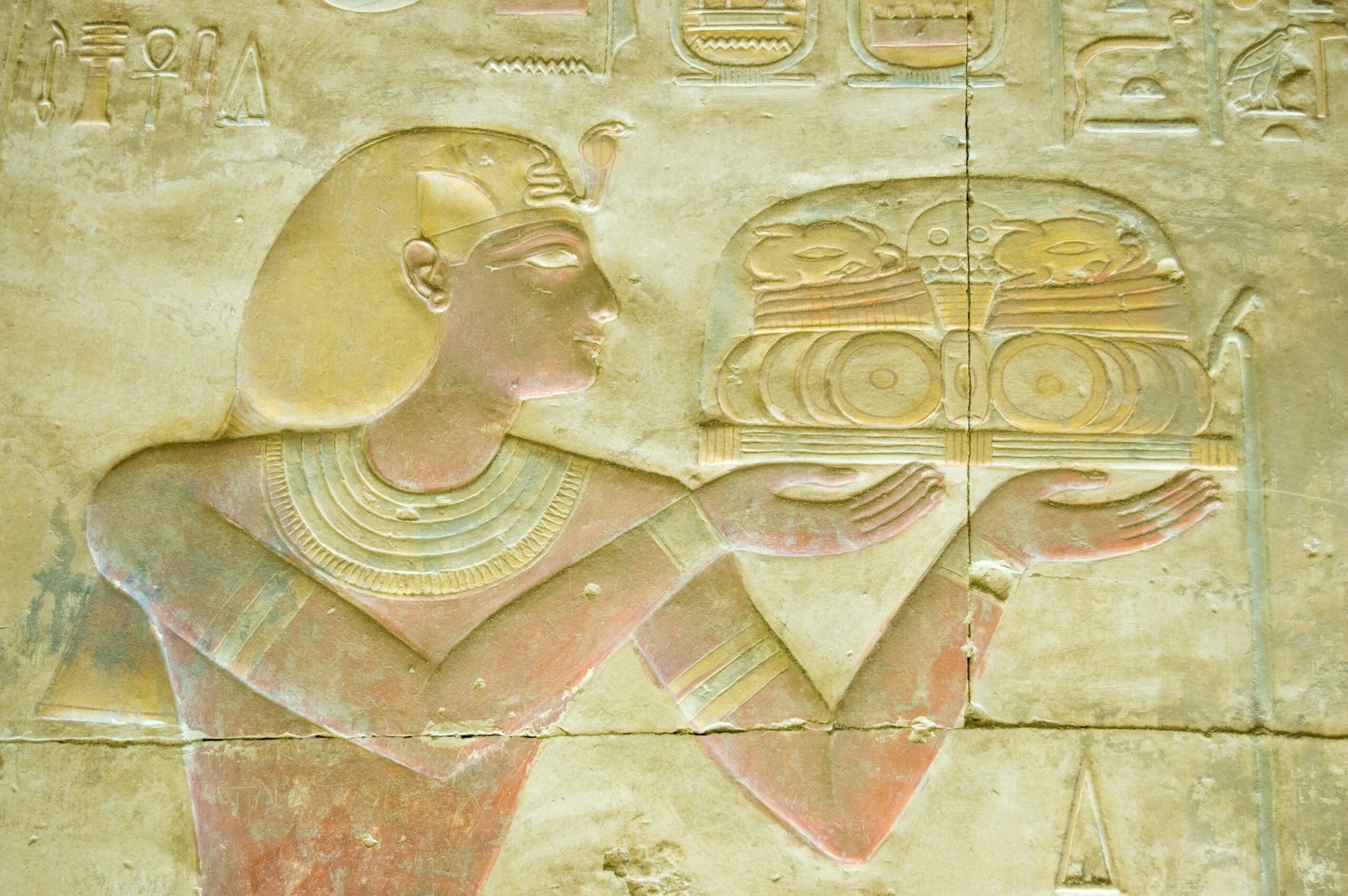 The oldest mentions of frozen treats are fragmentary records that stretch back about 3000 years (we know, it’s crazy!). In some Middle Eastern sources, King Solomon was described as having a penchant for frozen fruit purees, and the Old Testament mentions frozen goat milk as a rare and exotic dessert that Abraham enjoyed. In ancient Mesopotamia, snow was mixed with mashed fruits for royal snacks, and ancient Egyptians served crushed ice from the Lebanese mountains with fruit syrups.
Of all the famous historical figures who loved ice cream, you might be surprised at which one may have given us one of the oldest recorded ice cream recipes; Alexander the Great! Known for his military brilliance that helped him conquer his way from Greece to India in the 300s BCE, accounts of his life described his love for mounds of packed snow and ice flavored with honey and nectar. This early form of ice cream’s history shows how the art of ice cream making has ancient roots.
Persia: The birthplace of ice cream?
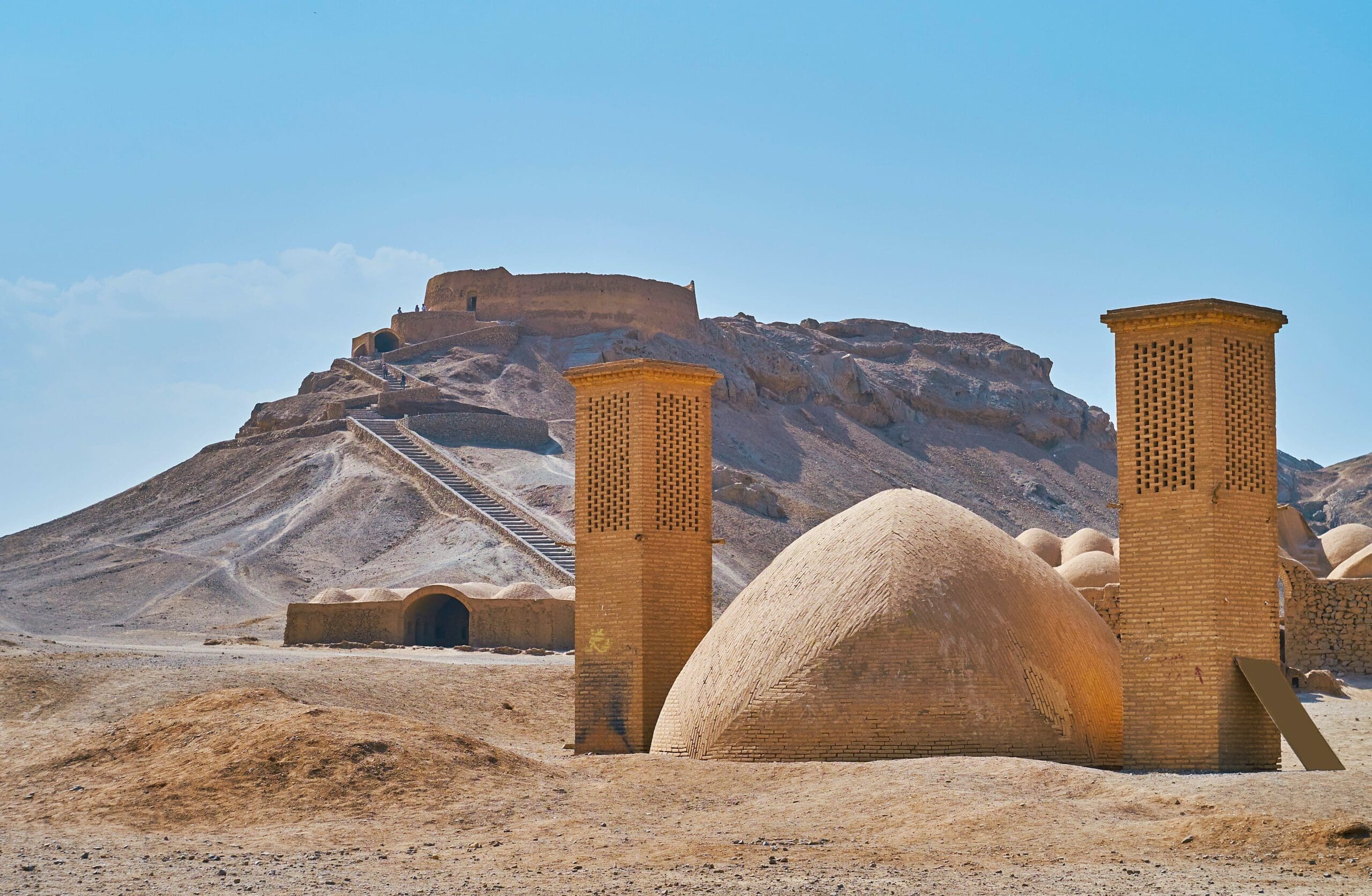
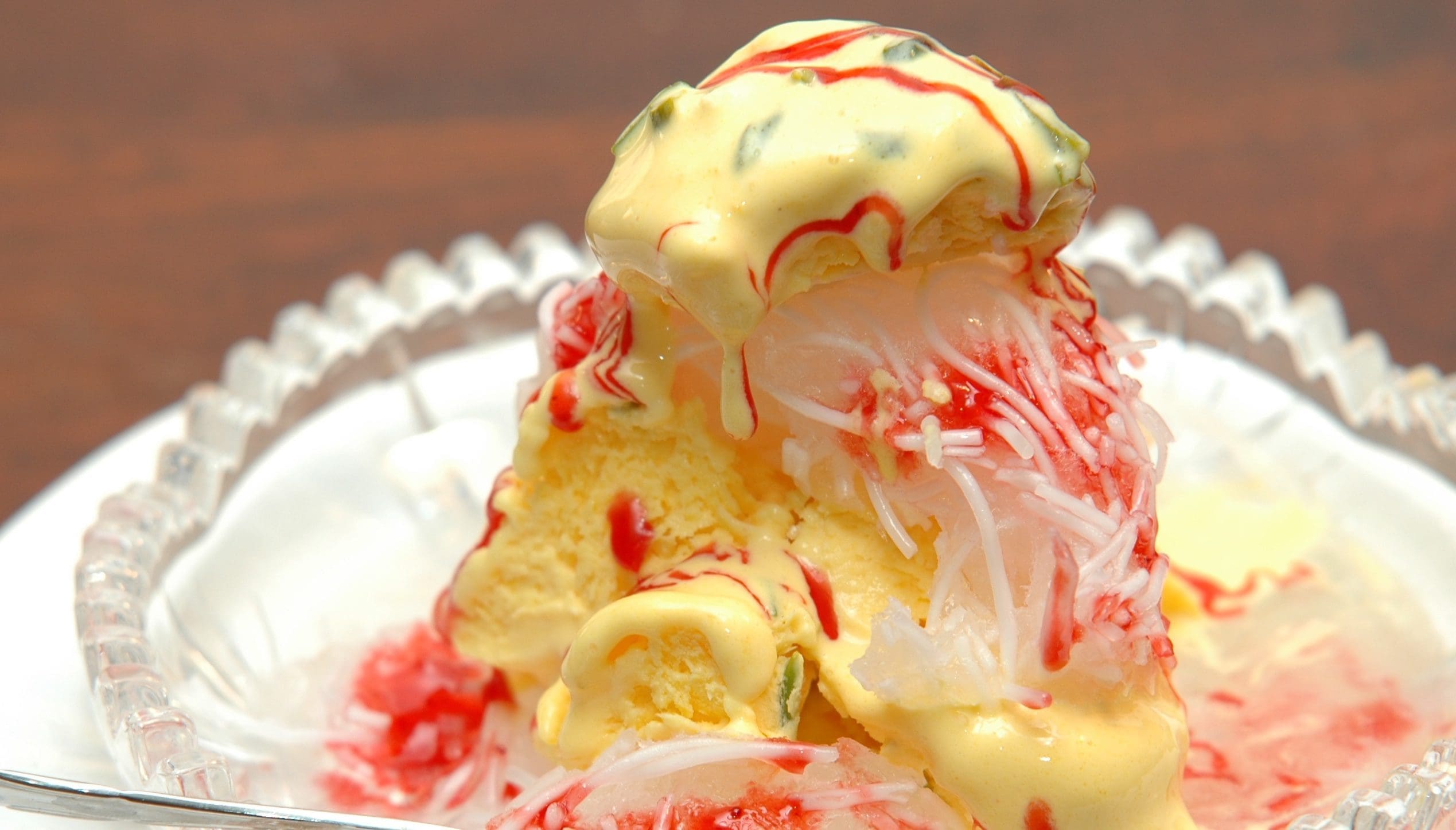
A more likely candidate, however, for the birthplace of ice cream is ancient Persia, in modern-day Iran. By 400 BCE, the Persians had developed sophisticated refrigeration techniques with innovations like the yakhchāl, which were large underground ice houses insulated against the desert heat. Being able to effectively store ice from the mountains meant that iced desserts flourished across the region, usually made from mixtures of ice, honey, masticated fruits, spices like saffron and delicacies like faludeh (slender strings of rice noodles). Modern iterations are still sold at Bastani (traditional Persian ice cream shops) in Iran today, which could also mean that it could very well be one of the oldest surviving ice cream treats in the world!
Early frozen desserts spread across continents
The following centuries saw a flurry of frozen desserts crop up around the world, spreading from the Mongol Empire into China, India and subsequently Europe. During the Tang Dynasty (618-907 A.D.), Chinese royalty consumed frozen mixtures of buffalo milk, flour, and camphor, an early example of ice cream’s evolution. The famous explorer Marco Polo is often credited with bringing sorbet-style desserts from China to Italy, influencing the history of ice cream in Europe.
The evolution of ice cream in Europe
In Europe, the art of ice cream making advanced with the introduction of cream and milk, moving towards the fine ice cream we recognize today. Italian gelato and French custard-style ice creams became popular among the nobility. Catherine de Medici is often mythically credited with bringing Italian ice cream recipes to France when she married Henry II in 1533, helping to spread ice cream’s popularity among European courts.
Ice cream in America: From a rare and exotic dessert to a beloved cold treat
The first official account of ice cream in North America comes from a letter written in 1744 by a guest of Maryland Governor William Bladen. Early ice cream shops and soda fountains began appearing in cities like New York and Philadelphia, laying the groundwork for a nationwide obsession with ice cream. Records kept by a Chatham Street merchant show that President George Washington spent approximately $200 on ice cream during the summer of 1790, and President Thomas Jefferson famously brought back vanilla ice cream recipes from France, serving them at the White House.
Industrial advances and the rise of the ice cream industry
Ice cream production became an industry in America in the 19th century, pioneered by Jacob Fussell, who opened the first large-scale ice cream maker facility in Baltimore in 1851. Technological innovations such as mechanical refrigeration, steam power, electric power, and new freezing processes revolutionized ice cream making, enabling mass production and distribution. Motorized delivery vehicles and packing machines further expanded the ice cream industry’s reach, making store ice cream widely available.
Ice cream culture and innovations in the 19th and 20th centuries
The late 19th and early 20th centuries saw the rise of ice cream vendors, ice cream shops, and soda fountains, where soda jerks served ice cream sodas and sundaes. The ice cream cone was popularized at the 1904 Louis World’s Fair in St. Louis, when an ice cream vendor ran out of bowls and teamed up with a waffle vendor to serve ice cream in edible cones. This innovation forever changed the way people enjoyed eating ice cream.
Modern ice cream and ongoing technological advances
Today, modern ice cream includes a variety of styles, from traditional vanilla ice cream to soft serve and gelato. Advances in artificial freezers and ice cream makers continue to improve the texture and flavor of frozen desserts. Whether you’re enjoying shaved ice, water ices, or a scoop from your local ice cream shop, the history of ice cream’s evolution is a testament to centuries of culinary creativity and innovation.
For those interested in exploring ice cream’s cultural impact and history further, institutions like the Museum of Ice Cream offer engaging exhibits and immersive experiences that celebrate the rich heritage and enduring popularity of this beloved frozen treat.
So, the next time you find yourself savoring a cold treat, remember the many pioneers and technological advances that have shaped ice cream from its ancient origins to the popular dessert we enjoy today.